

Unlocking the Five Levels of Customer Awareness: Your Key to Marketing Success

Unlocking the Five Levels of Customer Awareness: Your Key to Marketing Success

In the dynamic world of digital marketing, understanding your customer is the key to success. It's not enough to know who they are—you need to understand where they are in their buying journey. This is where the concept of customer awareness comes into play.

Customer awareness refers to understanding where your potential customers are in their journey toward making a purchase. It's about recognizing the stage they're at, from being utterly oblivious to their problem to being ready to make a purchase. This understanding is crucial because it allows you to tailor your marketing strategies to meet your customers exactly where they are, providing them with the information and motivation they need to move forward in their journey.

There are five levels of customer awareness—Unaware, Problem-Aware, Solution-Aware, Product-Aware, and Most-Aware. Each level represents a different stage in the customer's journey and requires a different marketing approach. By understanding these levels, you can create targeted marketing strategies that resonate with your customers, build relationships, and guide them toward purchasing.

In this article, we'll delve into each level in detail, exploring what characterizes customers at each stage, how to tailor your marketing approach to each level, and the potential challenges and pitfalls to avoid. So, let's embark on this journey of understanding our customers better and creating more effective marketing strategies.

The Five Levels of Customer Awareness

Unaware Level of Customer Awareness

Unaware Level of Customer Awareness

At the Unaware level, customers are oblivious to the problem they're experiencing. They're not conscious of any pain points or issues that need addressing; and are certainly not looking for solutions. 

This level of awareness is characterized by a lack of knowledge about a problem's existence. Customers at this stage are content with their current situation because they're not aware that there could be a better way.

Marketing Approach to Unaware Prospects

The marketing approach for Unaware customers should be focused on education and awareness. 

The goal is to make these customers realize they have a problem that needs solving. This can be achieved through informational content that subtly introduces the problem and its implications. 

For instance, if you're marketing a meal planning app, you might create content about food waste's financial and environmental cost, a problem that your app can help solve.

Example of Content for Unaware Prospects

Let's take the example of a company that offers time management software. The Unaware customers might be constantly overwhelmed with their tasks but consider it a regular part of their work life. 

They might not realize that their stress and long work hours stem from poor time management. A blog post titled "The Hidden Costs of Multitasking at Work" could make them aware of the problem and its impact on their productivity and work-life balance.

Challenges and Pitfalls of Marketing to Unaware Prospects

When dealing with Unaware customers, the main challenge is getting their attention and making them realize they have a problem. 

Since they're not actively looking for solutions, they might not be receptive to direct marketing messages about your product or service.

Mismatching Media/Content Pitfall

For instance, if you're using highly technical content to explain the problem to a lay audience, it might go over their heads, causing them to lose interest. Similarly, suppose you're using a medium your target audience doesn't typically engage with. In that case, your message might not reach them at all.

Moreover, trying to sell your product or service to Unaware customers can be counterproductive. Since they don't recognize they have a problem, they won't see the value in your solution. This can lead to wasted marketing efforts and even turn potential customers off if they feel they're being sold too prematurely.

Therefore, it's crucial to match your content and delivery method to the customer's level of awareness. For Unaware customers, the focus should be on education and attention, using clear, accessible language and mediums your target audience engages with.

Problem-Aware Level of Customer Awareness

Problem-Aware Level of Customer Awareness

At the Problem-Aware level, customers have recognized that they have a problem. Still, they may not fully understand it or know the available solutions. They're aware of the pain points they're experiencing, but they're unsure about how to address them. 

This stage is characterized by frustration or dissatisfaction as customers grapple with a problem they don't yet know how to solve.

Marketing Approach to Unaware Prospects

The marketing approach for Problem-Aware customers should focus on empathizing with their problems and introducing potential solutions. 

This can be achieved through content that acknowledges their pain points and assures them that solutions exist. The goal is to move them from feeling frustrated and stuck to feeling hopeful and motivated to find a solution.

Example of Content for Unaware Prospects

Let's continue with the example of a company that offers time management software. The Problem-Aware customers might be those who have recognized that their stress and long work hours are due to poor time management, but they don't know how to improve their time management skills. 

A blog post titled "Top 5 Challenges of Time Management and How to Overcome Them" could resonate with these customers, as it acknowledges their problems and introduces the idea that solutions exist.

Challenges and Pitfalls of Marketing to Unaware Prospects

One of the main challenges when dealing with Problem-Aware customers is ensuring that your content resonates with their current state of mind. 

Suppose your content is too focused on your product or service. In that case, it might come across as sales and turn off customers who are not ready to consider specific solutions.

Mismatching Media/Content Pitfall

For instance, if you're using overly promotional content to introduce potential solutions, it might be off-putting to customers who are still trying to understand their problems. 

Similarly, if you're using a medium your target audience doesn't typically engage with, your message might not reach them.

Moreover, it's crucial to balance empathizing with the customer's problem and introducing potential solutions. If you focus too much on the issue, it could reinforce the customer's feelings of frustration and make them feel stuck. 

On the other hand, if you rush into presenting solutions, it could overwhelm the customer and make them feel pressured to make a decision.

Therefore, the key to marketing to Problem-Aware customers is to empathize with their problem, assure them that solutions exist, and guide them gently towards considering potential solutions, using content and mediums that resonate with them.

Solution-Aware Level of Customer Awareness

Solution-Aware Level of Customer Awareness

At the Solution-Aware level, customers are aware of their problem and know potential solutions exist. They understand what results they want to achieve but may not be aware of your specific product or service. 

A sense of curiosity and exploration characterizes this stage as customers start researching different solutions to their problems.

Marketing Approach to Unaware Prospects

The marketing approach for Solution-Aware customers should focus on presenting your product or service as a potential solution to their problem. 

This can be achieved through content that explains how your product or service works and how it can help them achieve the results they're looking for. The goal is to move them from being curious about potential solutions to being interested in your specific solution.

Example of Content for Unaware Prospects

Continuing with the time management software example, Solution-Aware customers might be those who have started researching different ways to improve their time management skills. 

They might be reading blog posts about different time management techniques, trying other productivity apps, or considering enrolling in a time management course. 

A blog post titled "How Our Time Management Software Can Help You Reclaim Your Workday" could capture their interest by presenting your software as a potential solution to their problem.

Challenges and Pitfalls of Marketing to Unaware Prospects

One of the main challenges when dealing with Solution-Aware customers is standing out from the competition. Since these customers are actively researching different solutions, they will likely come across various options, including your competitors.

Therefore, your content must clearly communicate what sets your product or service apart and why it's the best solution to their problem.

Mismatching Media/Content Pitfall

For instance, if your content is too basic and doesn't provide enough information about your product or service, it might not satisfy the customer's desire to learn more about potential solutions. Similarly, if your content is too technical and difficult to understand, it might overwhelm the customer and turn them off.

Moreover, it's crucial to avoid becoming too salesy at this stage. While Solution-Aware customers are interested in learning about potential solutions, they're not yet ready to make a purchase. Therefore, your content should educate the customer about your product or service rather than push them to buy.

Therefore, the key to marketing to Solution-Aware customers is to present your product or service as a potential solution to their problem, using clear, informative, and engaging content that sets you apart from the competition.

Product-Aware Level of Customer Awareness

Product-Aware Level of Customer Awareness

At the Product-Aware level, customers are aware of your product or service and are considering it among other options. They understand the problem they face, know solutions exist, and know that your business offers a solution. 

This stage is often called the "researcher" phase, where potential customers actively look for solutions and weigh each option's pros and cons.

Marketing Approach to Unaware Prospects

The marketing approach for Product-Aware customers should focus on showcasing your product or service's unique features and benefits

This can be achieved through content that dives deeper into how your product or service works, how it compares to other options, and why it's the best choice for the customer. The goal is to move them from considering various options to preferring your solution.

Example of Content for Unaware Prospects

Continuing with the time management software example, Product-Aware customers might have narrowed their options to a few different time management tools, including your software. 

They might be comparing each option's features, pricing, and reviews to determine which is the best fit for their needs. 

A blog post titled "Why Our Time Management Software Outperforms the Competition" could sway their decision in your favor by highlighting the unique features and benefits of your software.

Challenges and Pitfalls of Marketing to Unaware Prospects

One of the main challenges when dealing with Product-Aware customers is differentiating your product or service from the competition. 

Since these customers are comparing different options, your content must clearly communicate why your product or service is the best choice. This requires a deep understanding of your product or service, your competition, and your customer's needs and preferences.

Mismatching Media/Content Pitfall

For instance, if your content is too generic and doesn't provide specific information about your product or service, it might not give the customer the information they need to decide. On the other hand, if your content is too promotional and lacks objective data, it might make the customer skeptical about the authenticity of your claims.

Moreover, it's crucial to avoid being overly aggressive at this stage. While Product-Aware customers are close to purchasing, they're still evaluating their options. Therefore, your content should focus on providing the information they need to make an informed decision rather than pushing them to buy.

Therefore, the key to marketing to Product-Aware customers is to showcase your product or service's unique features and benefits, using clear, detailed, and objective content that helps them make an informed decision.

Most-Aware Level of Customer Awareness

Most-Aware Level of Customer Awareness

At the Most-Aware level, customers are ready to make a purchase. They are fully aware of their problem, the solution they need, and your specific product or service that provides this solution. 

This stage is characterized by a readiness to act, as customers have all the information they need and are poised to decide.

Marketing Approach to Unaware Prospects

The marketing approach for Most-Aware customers should focus on facilitating the purchase process and providing a final push toward conversion. 

This can be achieved through content that offers incentives, discounts, or special deals, as well as content that reassures the customer about their decision, such as testimonials or case studies. 

The goal is to move them from being ready to purchase to actually completing the purchase.

Example of Content for Unaware Prospects

Continuing with the time management software example, Most-Aware customers might have decided that your software is the best solution for their needs and are just about to purchase. 

An email campaign offering a limited-time discount on your software could provide the final push they need to convert. 

Similarly, a case study showcasing how another customer significantly improved their productivity using your software could reassure them about the effectiveness of your solution.

Challenges and Pitfalls of Marketing to Unaware Prospects

One of the main challenges when dealing with Most-Aware customers is ensuring a smooth and easy purchase process. Any friction or complications at this stage could deter the customer and result in a lost sale. Therefore, making the purchase process as straightforward and seamless as possible is crucial.

Mismatching Media/Content Pitfall

For instance, if your content is too informational and doesn't provide a clear call to action, it might not guide the customer toward purchasing. On the other hand, if your content is too pushy and doesn't provide any reassurance or incentives, it might make the customer second-guess their decision.

Moreover, it's crucial to balance encouraging customers to purchase and respecting their autonomy. While Most-Aware customers are ready to buy, they don't want to feel pressured or rushed into making a decision. 

Therefore, your content should provide a gentle push toward conversion while also reassuring the customer that they're making the right decision.

Therefore, the key to marketing to Most-Aware customers is facilitating the purchase process, providing reassurance and incentives, and guiding the customer towards conversion, using clear, persuasive, and supportive content.

The Importance of Targeting the Right Level of Awareness

Avoiding Misdirected Marketing Efforts

Avoiding Misdirected Marketing Efforts

The first crucial point to understand is that marketing efforts can easily be misdirected if you're not aware of your customer's level of awareness. 

For instance, if you're marketing a solution to someone who doesn't even realize they have a problem, your message will likely be ignored. They won't see the value in your product or service because they don't see the need for it. 

This is why it's essential to tailor your marketing efforts to match the customer's current level of awareness. Doing so ensures that your message resonates with them and moves them further along their buying journey.

Maximizing Marketing ROI

Maximizing Marketing ROI

Secondly, understanding the levels of customer awareness is critical to maximizing your return on investment (ROI) in marketing. 

When you target the right level of awareness, your marketing efforts are more likely to result in conversions because they're tailored to where the customer is in their buying journey. 

For example, offering a discount to a customer at the 'Most-Aware' stage and ready to make a purchase can be the final push they need to convert. On the other hand, the same discount might not be as effective for a customer at the 'Unaware' stage who doesn't yet see the value in your product or service.

Building Stronger Customer Relationships

Building Stronger Customer Relationships

Lastly, you can build stronger relationships with your customers by targeting the right level of awareness. 

You position your business as a helpful and trustworthy resource when you meet customers where they are and provide them with the information and solutions they need at each stage of their journey. 

This helps move customers along their buying journey, fosters loyalty, and encourages repeat business. 

For example, providing educational content to a 'Problem-Aware' customer can help them understand their problem better and see your business as an expert. 

This builds trust and positions your business favorably when the customer moves to the 'Solution-Aware' and 'Product-Aware' stages and starts considering different solutions.

Recap

In the ever-evolving digital marketing landscape, understanding customer awareness levels is not just beneficial—it's essential. Each stage, from Unaware to Most-Aware, represents a unique mindset of your potential customers. By recognizing these stages, you can tailor your marketing strategies to meet your customers exactly where they are, providing them with the information, reassurance, and motivation they need to move forward in their buying journey.

Remember, your customers are not just faceless entities in the crowd. They are individuals, each with their own unique needs, preferences, and levels of awareness. By understanding these levels, you can speak directly to their concerns, answer their questions, and guide them toward the realization that your product or service is the solution they've been looking for.

So, let's take this knowledge and put it into action. Let's create marketing strategies that resonate with our customers, meet them where they are, and guide them where they want to go. Let's not just sell products or services—let's provide solutions, build relationships, and create value.

Because at the end of the day, understanding the levels of customer awareness is about more than just improving our marketing strategies—it's about connecting with our customers on a deeper level, understanding their journey, and becoming a trusted partner in their success. So, let's embrace this understanding, apply it in our marketing efforts, and see the remarkable impact it can have on our businesses and customers.

Customer Awareness FAQs

How can I determine my customers' level of awareness?

Determining your customers' level of awareness involves understanding their needs, preferences, and behaviors. This can be achieved through market research, customer surveys, and customer data analysis. By understanding your customers' pain points, what solutions they're looking for, and how they interact with your brand, you can get a sense of where they are in their buying journey.

How should I tailor my marketing approach to each level of awareness?

Your marketing approach should be tailored to meet your customers where they are in their buying journey. For Unaware customers, focus on educating them about the problem they have. For Problem-Aware customers, empathize with their pain and introduce potential solutions. Present your product or service as a possible solution for Solution-Aware customers. For Product-Aware customers, showcase your product or service's unique features and benefits. And for Most-Aware customers, facilitate the purchase process, and provide a final push towards conversion.

What are the potential challenges and pitfalls in marketing to different levels of awareness?

The main challenge in marketing to different levels of awareness is ensuring that your marketing strategies resonate with your customers. If your strategies don't match your customers' level of awareness, they might not be effective. For instance, trying to sell your product to Unaware customers who don't realize they have a problem can be counterproductive. Similarly, overwhelming Solution-Aware customers with too much information about your product can turn them off. Therefore, it's crucial to understand your customers' level of awareness and tailor your marketing strategies accordingly.

How do keywords help target different levels of customer awareness?

Keywords play a crucial role in targeting different levels of customer awareness. By understanding and using the search terms your customers use at various stages of their buying journey, you can create content that meets them where they are. For instance, Unaware customers might use general search terms related to their interests or pain points. In contrast, Most-Aware customers might use specific search terms for your product or service. Incorporating these keywords into your content ensures it reaches the right customers at the right stage of their journey.

What level of awareness should prospects receive testimonials, case studies, and reviews?

Testimonials, case studies, and reviews are most effective when targeting Product-Aware and Most-Aware customers. These customers are already considering your product or service and are looking for reassurance about their decision. Testimonials, case studies, and reviews can provide this reassurance by showcasing other customers' experiences and demonstrating the effectiveness of your product or service. However, it's important to note that while these types of content are most effective at the later stages of the buying journey, they can also be helpful at earlier stages to build trust and credibility.


Boost Your Small Business Sales with Effective Referral Programs

Boost Your Small Business Sales with Effective Referral Programs

In today's competitive marketplace, small businesses need to use every tool at their disposal to attract new customers and keep existing ones loyal. One of the most powerful and cost-effective marketing strategies is the implementation of referral programs. These programs encourage customers to spread the word about your products or services, providing invaluable word-of-mouth marketing and maximizing your sales efforts. In this article, we'll explore several types of referral programs that can benefit businesses like yours.

Share and Save

Share and Save

A simple yet effective referral program is the "Share and Save" model. Encourage your existing customers to refer friends and family to your business by offering them and their referred friends a discount on their next purchase. For example, when a customer refers a friend, both the customer and their friend could receive a 5% discount on their next purchase. This incentive not only rewards your current customers but also entices new customers to try your products.

Loyalty Points Program

Loyalty Points Program

A loyalty points program can help you recognize and reward customers who consistently refer others to your business. For every successful referral, customers can earn points that can be redeemed for discounts on future purchases or exclusive rewards, such as free accessories or maintenance services. This program not only drives referrals but also encourages repeat business from your most loyal customers.

Tiered Referral Rewards

Tiered Referral Rewards

To motivate customers to refer even more people, consider implementing a tiered rewards system. The more friends a customer refers, the greater the incentives they receive. For example, a customer who refers one friend could receive a 5% discount, while a customer who refers five friends could receive a 15% discount or a free accessory. This approach encourages customers to become advocates for your brand and continually spread the word about your products.

Social Media Sharing Contest

Social Media Sharing Contest

Social media is a powerful tool for promoting your business and reaching new customers. Encourage customers to share their positive experiences with your business on social media platforms like Facebook, Instagram, and Twitter. They can use a unique hashtag and tag your company in their posts. Each month, select a random winner who will receive a special discount or a free accessory. This contest can create buzz around your brand and help you reach a wider audience.

Referral Appreciation Month

Referral Appreciation Month

Designate a specific month each year as "Referral Appreciation Month" to create excitement and encourage more referrals. During this time, offer an increased referral bonus, such as a 10% discount for both the referrer and the referred friend. Promote the event through email marketing, social media, and in-store signage to increase awareness and participation.

Personalized Referral Codes

Personalized Referral Codes

Provide each customer with a unique referral code they can share with friends and family. When someone makes a purchase using that code, the referring customer will receive a discount on their next purchase, and the referred friend will also get a discount on their first purchase. This approach adds a personal touch to your referral program and makes it easy for customers to share their love for your products.

Testimonial Rewards

Testimonial Rewards

Encourage customers to share their positive experiences with your business by submitting testimonials. Offer a small discount or a free accessory to customers who submit a testimonial that is featured on your website or social media channels. This program not only generates valuable social proof but also helps build trust with potential customers.

Partner with Local Organizations

Partner with Local Organizations

Collaborate with local senior centers, assisted living facilities, and other organizations that cater to individuals who may benefit from mobility equipment. Offer these organizations an exclusive referral discount for their members, and in return, they will help promote your business to their community. This partnership can expand your reach and create a mutually beneficial relationship with organizations that share a similar target audience.

It's essential to track the success of your referral programs and make adjustments as needed to maximize their effectiveness. Use analytics tools to monitor the performance of each program, paying attention to metrics such as the number of new customers acquired, the average spend of referred customers, and the lifetime value of those customers. This data will help you identify which referral strategies are working best for your business and where improvements can be made.

In conclusion, referral programs are a powerful marketing tool for small businesses, helping to maximize sales efforts and create a network of satisfied customers who are eager to share their positive experiences with others. By implementing a variety of referral programs – such as Share and Save, Loyalty Points, Tiered Referral Rewards, Social Media Sharing Contests, Referral Appreciation Month, Personalized Referral Codes, Testimonial Rewards, and partnering with local organizations – your business can tap into the power of word-of-mouth marketing to drive growth and customer loyalty.

Remember, a successful referral program doesn't need to be complicated. Start by offering incentives that appeal to your target audience and align with your brand values. Continuously monitor and adjust your programs to ensure they remain effective, and you'll soon discover the value of referral marketing for your small business.

The Ultimate Auto Repair Shop Guide to Performing a Competitive Market Analysis

The Ultimate Auto Repair Shop Guide to Performing a Competitive Market Analysis

Determining your business's competitive opportunities in a market is much like assessing the chances a basketball team has of making it to the championships. In both scenarios, you need to gather relevant information, analyze your competition, and develop a winning strategy to stay ahead of the game.

Think of the basketball team as your business, and the other teams in the league as your competitors. Before the season starts, you study the strengths and weaknesses of each team, the individual players' skill levels, and their strategies in previous games. This is similar to examining your competitors' marketing strategies, product offerings, and overall business performance.

By gathering this information, you can make more informed decisions about your team's training program, tactics, and game plan. Just as a basketball coach would identify areas where their team needs improvement and capitalize on their strengths, a business owner can use the insights gained from a competitive market analysis to adjust their marketing strategy and business operations to stand out in the market.

Furthermore, just as a basketball team needs to adapt to new tactics, injuries, and unexpected challenges throughout the season, a business must remain flexible and responsive to changes in the market. By staying up-to-date with industry trends and competitors' activities, you can proactively adjust your strategies and maintain a competitive edge in the market.

Ultimately, both the basketball team and your business need a deep understanding of the competition and a well-crafted strategy to secure a spot in the championships and achieve long-term success.

The importance of competitive market analysis

The importance of competitive market analysis

Competitive market analysis plays a vital role in helping businesses make informed decisions and thrive in today's fast-paced marketplace. By analyzing the competition, business owners can gain a deeper understanding of market trends, identify emerging opportunities, and capitalize on them to stay ahead of the curve.

Making informed business decisions

Performing a competitive market analysis enables you to evaluate your competitors' strengths and weaknesses, thus helping you make informed decisions. This information can help you refine your business strategy, identify areas for improvement, and ultimately enhance your product or service offerings. Armed with this knowledge, you can position your business more effectively and make more strategic decisions that drive growth and success.

Identifying market trends and opportunities

Analyzing your competition provides valuable insight into prevailing market trends and uncovers untapped opportunities. By examining your competitors' marketing strategies, product offerings, and pricing structures, you can identify gaps in the market that your business can exploit. This enables you to stay ahead of the game, differentiate yourself from the competition, and secure a larger market share.

Benefits of conducting a competitive market analysis

Benefits of conducting a competitive market analysis

A thorough competitive market analysis offers numerous benefits that contribute to the long-term success of your business.

Uncovering strengths and weaknesses

By examining your competition, you can identify your own strengths and weaknesses, as well as those of your competitors. This information can be invaluable in shaping your marketing strategy and guiding your business decisions. Knowing your strengths allows you to capitalize on them, while understanding your weaknesses helps you take corrective action to address areas where you may be falling short.

Developing a unique competitive advantage

Conducting a competitive market analysis can also help you develop a unique competitive advantage. By understanding the strategies, products, and services offered by your competitors, you can determine how to differentiate your business and offer something unique to your target audience. This competitive advantage can be the key to attracting new customers and retaining existing ones, ultimately driving your business's growth and success.

Define Your Market and Objectives

Define Your Market and Objectives

Identify your target audience

To perform an effective competitive market analysis, you need to know who you're competing for. Identifying your target audience is a crucial step in this process, as it allows you to understand the specific needs and preferences of the customers you aim to serve.

Demographics

Start by examining the demographic factors of your target audience. These can include age, gender, income, education, occupation, and location. By understanding the demographics of your target customers, you can tailor your product offerings, pricing, and marketing messages to resonate with them effectively.

Psychographics

After identifying the demographics of your target audience, delve into their psychographics. Psychographics encompass the attitudes, interests, values, and lifestyles of your target customers. This information can help you create marketing strategies that appeal to their emotions and motivations, leading to a stronger connection with your audience.

Set clear objectives for your analysis

Set clear objectives for your analysis

With a defined target audience, it's essential to set clear objectives for your competitive market analysis. This will help you stay focused on specific areas of improvement and create a roadmap for your business growth.

Improve product/service offerings

One objective of your analysis might be to identify opportunities to enhance your product or service offerings. By understanding your competition's strengths and weaknesses, you can find gaps in the market and develop new or improved products and services that cater to your customers' needs.

Refine marketing strategies

Another objective could be to refine your marketing strategies based on the competition. By examining the marketing efforts of your competitors, you can gain insights into what works and what doesn't in your industry. This will enable you to adapt your marketing strategies and tactics to better engage your target audience and gain a competitive edge.

Now that you've defined your market and set clear objectives for your competitive market analysis, the next step is to identify and analyze your key competitors. In the following section, we'll discuss how to choose the right competitors to study and the various aspects to consider when evaluating their performance.

Identify Your Competitors

Identify Your Competitors

With a solid understanding of your market and objectives, it's time to identify the key competitors you'll analyze. This is crucial, as knowing who you're up against will help you better understand the competitive landscape and identify opportunities for your business.

Direct competitors (same products/services)

Direct competitors are businesses that offer the same products or services as your company. These competitors pose the most significant threat, as they target the same customers and compete for the same market share.

Local and regional competitors

Start by identifying local and regional competitors operating within your geographic area. These businesses are likely to be your most immediate rivals and may have a better understanding of your specific market conditions.

National and global competitors

Next, consider national and global competitors that operate beyond your immediate region. While they may not be as close in proximity, their size and resources could still pose a threat to your business, especially if they decide to expand into your territory.

Indirect competitors (alternative solutions)

Indirect competitors

Indirect competitors offer alternative solutions to your products or services. They may not be as apparent as direct competitors but can still impact your business by providing customers with alternative options to meet their need

Substitutes and complementary products/services

Identify substitutes and complementary products or services that your customers may consider instead of your offerings. For example, a customer might choose a different mode of transportation instead of buying a car or opt for a home-cooked meal rather than dining out.

Emerging trends and technologies

Pay attention to emerging trends and technologies that may disrupt your industry or create new opportunities. By staying aware of these developments, you can adapt your business strategy and stay ahead of the competition.

Identify their market share and positioning

Identify their market share and positioning

Once you've identified your direct and indirect competitors, it's important to understand their market share and positioning within your industry.

Market leader, challenger, or follower

Determine whether each competitor is a market leader, challenger, or follower. Market leaders typically have the largest market share and are often seen as innovators. Challengers may have a smaller market share but are striving to overtake the market leader, while followers tend to mimic successful strategies implemented by the leaders and challengers.

Niche or mass market focus

Identify whether your competitors focus on a niche market or cater to the mass market. Understanding their target audience will help you determine the best way to position your business and identify opportunities for growth.

Now that you've identified your competitors, it's time to dive into the analysis. In the next section, we'll explore the various aspects to consider when evaluating your competitors and the tools and resources available to help you gather the necessary information.

Analyze Your Competitors' Offerings

Analyze Your Competitors Offerings

Having identified your competitors, it's time to analyze their offerings to understand their strengths, weaknesses, and opportunities for your business. By doing so, you can develop a strategy that sets your company apart and positions you for success in the market.

Products and services

Start by examining your competitors' products and services to identify any similarities or differences compared to your offerings.

Features and benefits

Compare the features and benefits of each competitor's products or services. Take note of any unique selling points that set them apart from the competition.

Quality and performance

Evaluate the quality and performance of your competitors' offerings. Look for customer reviews, testimonials, or third-party assessments to gauge their reputation in the market.

Unique selling propositions (USPs)

Unique selling propositions

USPs are the key factors that differentiate a business from its competitors. Understanding your competitors' USPs will help you identify opportunities to set your business apart.

Value proposition

Determine the value proposition of each competitor's offerings. This includes the benefits they provide, the problems they solve, and the reasons customers choose them over other options.

Branding and positioning

Examine your competitors' branding and positioning in the market. How do they present themselves to customers, and what messages do they communicate?

Pricing strategies

Pricing strategies

Pricing is a crucial element of any business strategy. Analyzing your competitors' pricing strategies will help you determine how to price your products or services effectively.

Cost-based, value-based, or competitive pricing

Identify whether your competitors use cost-based, value-based, or competitive pricing strategies. Cost-based pricing is determined by the cost of production, value-based pricing is based on the perceived value of the product, and competitive pricing is set in relation to competitors' prices.

Discounts and promotions

Take note of any discounts, promotions, or special offers your competitors provide. This can give you insight into their marketing strategies and help you develop your own promotional efforts.

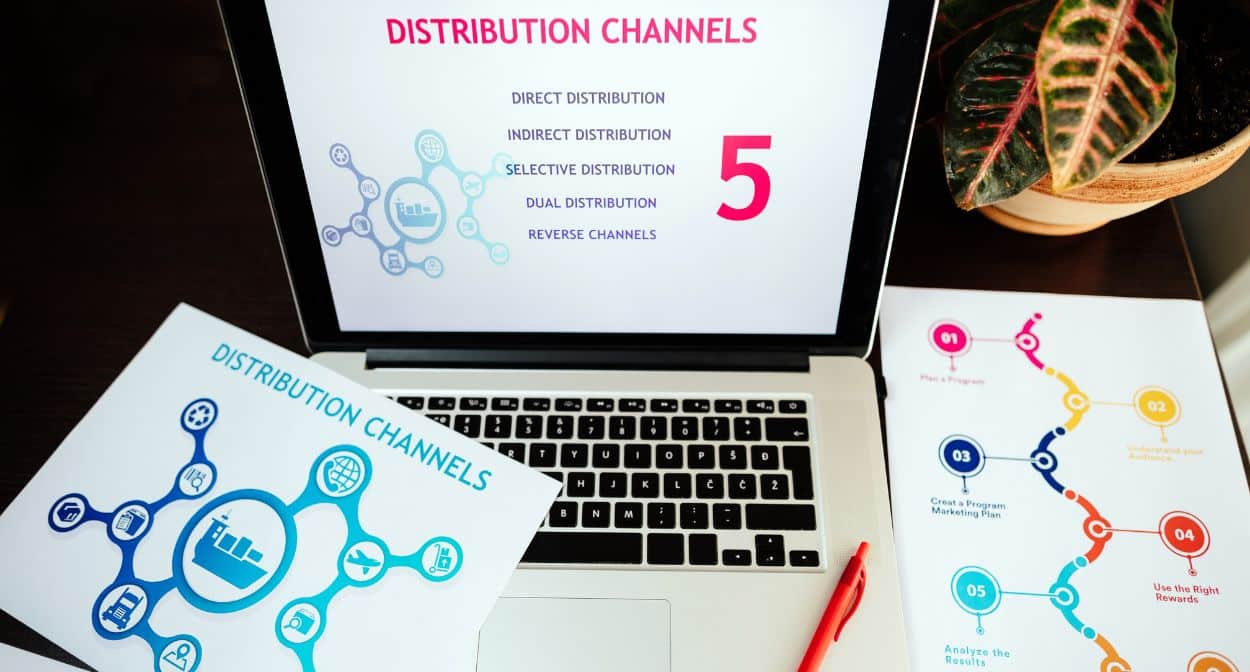
Distribution channels

Distribution channels

Analyzing your competitors' distribution channels can help you identify new opportunities for reaching your target audience.

Direct and indirect channels

Determine whether your competitors use direct channels, such as selling directly to customers, or indirect channels, such as working with distributors or retailers.

E-commerce and brick-and-mortar presence

Examine your competitors' e-commerce and brick-and-mortar presence. Do they have a strong online presence, physical locations, or both? Understanding their distribution strategies can help you decide how to best reach your customers.

With a thorough analysis of your competitors' offerings in hand, you're now ready to move on to the next step: finding the strengths and weaknesses in your competitors’ online presence.

Assess Competitors' Online Presence

Assess Competitors Online Presence

Now that you have a better understanding of your competitors' offerings and strategies, it's time to assess their online presence. This will help you identify their digital strengths and weaknesses, providing valuable insights for your own online marketing efforts.

Website design and user experience

Begin by evaluating your competitors' website design and user experience to understand how they attract and retain customers online.

Navigation and layout

Examine the navigation and layout of their websites. Are they easy to use, well-organized, and visually appealing? Take note of any features or design elements that stand out.

Mobile optimization

Evaluate how well their websites perform on mobile devices. Are they responsive and optimized for various screen sizes? Mobile optimization is crucial in today's digital landscape, and a poor mobile experience can deter potential customers.

Content marketing strategy

Content marketing strategy

Content marketing plays a vital role in attracting and engaging online audiences. Assess your competitors' content marketing strategies to identify opportunities for your own content efforts.

Blogging and resource materials

Check if your competitors have blogs or resource sections on their websites. What topics do they cover, and how frequently do they post? This can give you an idea of their content strategy and areas where you can create unique, valuable content.

Lead magnets and gated content

Examine whether your competitors use lead magnets or gated content to capture leads. These can include e-books, whitepapers, webinars, or exclusive content accessible only to subscribers.

Social media presence

Social media presence

Social media can be a powerful tool for engaging with customers and building brand awareness. Analyze your competitors' social media presence to identify areas where you can outperform them.

Platform selection and activity

Determine which social media platforms your competitors use and how active they are on each. Are they focusing on specific platforms, or do they have a presence across multiple channels?

Engagement and community building

Assess how well your competitors engage with their audience on social media. Are they responsive to comments, sharing user-generated content, or fostering a sense of community among followers?

Search engine optimization (SEO) and paid advertising efforts

Finally, examine your competitors' SEO and paid advertising efforts to understand how they drive traffic to their websites.

Organic search rankings

Analyze your competitors' organic search rankings for relevant keywords. This can give you insight into their SEO strategies and help you identify opportunities to improve your own search rankings.

Pay-per-click (PPC) campaigns

Investigate whether your competitors are running PPC campaigns, such as Google Ads or social media advertising. These campaigns can provide valuable information about the keywords they're targeting and the types of ads they're using.

With a comprehensive assessment of your competitors' online presence, you can now use these insights to refine your digital marketing strategy and create a plan to outperform them in the online space. In the next section, we'll discuss how to evaluate your competitors' overall marketing strategies.

Evaluate Competitors' Marketing Strategies

Evaluate Competitors Marketing Strategies

Armed with insights from the previous section, you're now in a great position to evaluate your competitors' marketing strategies. By analyzing their promotional efforts, partnerships, customer feedback, and public relations tactics, you'll be able to identify areas where your business can shine.

Promotional campaigns and techniques

Examine your competitors' promotional campaigns and techniques to understand how they attract attention and drive customer interest.

Advertising and media placements

Identify the types of advertising and media placements your competitors use, such as print, radio, television, or online. This will give you an idea of their promotional tactics and help you discover new advertising opportunities.

Events and experiential marketing

Analyze your competitors' involvement in events and experiential marketing, such as trade shows, workshops, or product demonstrations. These initiatives can offer valuable insights into their audience engagement strategies.

Partnerships and collaborations

Partnerships and collaborations

Partnerships and collaborations can be powerful ways for businesses to expand their reach and increase brand awareness.

Joint ventures and co-branding

Investigate whether your competitors engage in joint ventures or co-branding efforts with other companies. These partnerships can reveal their strategic alliances and potential opportunities for your own collaborations.

Sponsorships and endorsements

Look into your competitors' sponsorships and endorsements, such as supporting local events, partnering with influencers, or collaborating with other organizations. This can help you identify potential sponsorship opportunities that align with your brand values.

Customer reviews and testimonials

Customer reviews and testimonials

Customer feedback can provide valuable insights into your competitors' strengths and weaknesses.

Online review platforms

Examine your competitors' customer reviews on platforms like Google, Yelp, or social media. What are their customers saying about their products and services? This information can help you identify areas for improvement in your own business.

Case studies and success stories

Review your competitors' case studies and success stories, if available. These can offer insights into their most successful projects and demonstrate the impact of their offerings.

Public relations and media coverage

Public relations and media coverage

Public relations efforts and media coverage can boost brand visibility and credibility.
Press releases and news articles

Investigate your competitors' press releases and news articles. This can provide insights into their public relations strategies and noteworthy achievements.

Industry awards and recognition

Research any industry awards and recognition your competitors have received. This information can help you understand their reputation within the industry and identify potential award opportunities for your own business.

By evaluating your competitors' marketing strategies, you can uncover hidden opportunities and areas where your business can excel. Next, we'll analyze the strengths and weaknesses of the competition.

Analyze Competitors' Strengths and Weaknesses

Analyze Competitors Strengths and Weaknesses

Having evaluated your competitors' marketing strategies, it's time to dive deeper into their strengths and weaknesses. By identifying their competitive advantages, pinpointing areas for improvement, and determining potential opportunities and threats, you can develop a comprehensive understanding of your market and create a strategic plan to outperform your competition.

Identify their competitive advantages

Discovering your competitors' competitive advantages can help you understand what sets them apart in the market and how your business can differentiate itself.

Intellectual property and trade secrets

Examine your competitors' intellectual property, such as patents, trademarks, or copyrights, as well as any trade secrets they may have. This knowledge can provide insights into their unique capabilities and potential barriers to entry in the market.

Economies of scale and cost advantages

Investigate whether your competitors benefit from economies of scale or cost advantages. This information can help you identify potential pricing strategies and areas where your business can improve its cost structure.

Pinpoint areas for improvement

Pinpoint areas for improvement

Identifying your competitors' weaknesses can reveal opportunities for your business to excel and outperform them.

Customer service and support

Assess your competitors' customer service and support offerings, such as response times, communication channels, or support resources. Identifying gaps in their customer service can provide opportunities for your business to differentiate itself and win over customers.

Operational efficiency

Analyze your competitors' operational efficiency, such as their production processes, supply chain management, or inventory control. Identifying inefficiencies can help you develop strategies to streamline your own operations and gain a competitive edge.

Determine potential opportunities and threats

Determine potential opportunities and threats

By understanding the potential opportunities and threats in your market, you can better prepare your business to adapt and thrive.

Market trends and shifts

Keep an eye on market trends and shifts that could impact your industry. Understanding these trends can help you anticipate changes and adapt your strategies accordingly to stay ahead of your competitors.

Technological advancements

Monitor technological advancements that could influence your industry or change the competitive landscape. Embracing new technology and innovation can help you gain a competitive advantage and future-proof your business.

Now you should have a thorough understanding of your competitors' strengths and weaknesses. Let’s move on to how we can use this information to gain an advantage.

Learn from Your Competitors

Learn from Your Competitors

Having analyzed your competitors' strengths and weaknesses, it's time to use these insights to inform your own strategies. Learning from your competitors means adopting best practices, avoiding pitfalls, and staying updated on their activities, which will enable you to make better-informed decisions for your business.

Best practices to adopt

Identifying and adopting the best practices of your competitors can help you improve your own business performance.

Marketing techniques and tactics

Take note of your competitors' successful marketing techniques and tactics, such as innovative ad campaigns, social media strategies, or content marketing efforts. Incorporate the most effective elements into your own marketing plan to boost your brand visibility and customer engagement.

Product/service enhancements

Analyze your competitors' product or service offerings to identify enhancements that resonate with customers. Consider integrating similar improvements into your own products or services to better meet customer needs and expectations.

Pitfalls to avoid

Learning from your competitors' mistakes and failures can help you avoid making similar missteps.

Mistakes and failures

Study your competitors' past mistakes or failures, such as unsuccessful product launches, poor marketing campaigns, or financial issues. Use these insights to inform your own strategies and decision-making processes, reducing the risk of similar errors.

Negative customer feedback

Examine negative customer feedback or reviews about your competitors to identify areas where they fall short. Addressing these issues in your own business can help you gain a competitive edge by offering a superior customer experience.

Stay updated on competitors' activities

Stay updated on competitors activities

Regularly monitoring your competitors' activities will help you stay informed and prepared to respond to changes in the market.

Monitor their online presence

Keep an eye on your competitors' websites, social media profiles, and content marketing efforts to stay informed about their latest offerings, promotions, and announcements. This information can help you anticipate their strategies and respond accordingly.

Subscribe to industry news and updates

Stay up-to-date with industry news, trends, and updates to ensure you're aware of any developments that could impact your business or its competitive landscape. By staying informed, you'll be better equipped to make strategic decisions and capitalize on new opportunities as they arise.

By learning from your competitors and using these insights to refine your strategies, you'll be well-equipped to succeed in today's competitive business environment.

Develop Your Competitive Strategy

Develop Your Competitive Strategy

With a comprehensive understanding of the competitive landscape, you're now in a strong position to develop your competitive strategy. This strategy will help you capitalize on your strengths, address your weaknesses, exploit your competitors' weaknesses, and respond to market opportunities, ensuring your business thrives in a competitive environment.

Leverage your strengths

To stand out in the market, focus on the unique qualities that set your business apart.

Unique product/service features

Highlight the unique features of your products or services that differentiate you from your competitors. Emphasize these qualities in your marketing materials to attract customers who value those specific features.

Exceptional customer service

Providing exceptional customer service can be a significant competitive advantage. Train your team to deliver outstanding service, and promote your commitment to customer satisfaction in your marketing efforts.

Address your weaknesses

Identifying and addressing your weaknesses is crucial for continuous improvement and business success.

Operational improvements

Assess your operational processes to identify areas of inefficiency or underperformance. Implement changes to streamline operations, reduce costs, and improve overall performance.

Training and development programs

Invest in training and development programs for your team to strengthen their skills and address any skill gaps. This will help you build a more capable and competitive workforce.

Exploit competitors' weaknesses

Exploit competitors weaknesses

Understanding your competitors' weaknesses can provide you with opportunities to outshine them in the market.

Differentiate your offerings

Identify areas where your competitors are underperforming or failing to meet customer needs. Focus on differentiating your offerings in these areas to create a unique value proposition and attract customers who are dissatisfied with your competitors' products or services.

Develop innovative marketing tactics

Design marketing campaigns that capitalize on your competitors' weaknesses. By highlighting the advantages of your products or services over those of your competitors, you can persuade potential customers to choose your business instead.

Respond to market opportunities

Respond to market opportunities

Stay agile and adaptive to make the most of emerging trends and opportunities.

Adapt to emerging trends

Keep a close eye on market trends and be ready to adapt your business strategies accordingly. By staying ahead of the curve, you can seize opportunities before your competitors do and establish a strong market presence.

Develop new products/services

Regularly assess market needs and consider developing new products or services that address unmet customer demands. By expanding and diversifying your offerings, you can tap into new revenue streams and increase your business's resilience.

In summary, crafting a competitive strategy involves leveraging your strengths, addressing your weaknesses, exploiting your competitors' weaknesses, and responding to market opportunities. By following these steps and continuously refining your strategy, you'll be well-positioned to succeed in the competitive business landscape.

Monitor and Adjust Your Strategy

Monitor and Adjust Your Strategy

Track your performance and progress

As you begin implementing your competitive strategy, it's essential to continuously monitor and adjust it based on the ever-evolving market landscape. This section will guide you through the process of tracking your performance, analyzing customer feedback, staying informed about industry changes, and updating your competitive analysis regularly.

Key performance indicators (KPIs)

To measure the success of your strategy, establish key performance indicators (KPIs) that align with your objectives. These may include metrics like website traffic, lead generation, conversion rates, and customer acquisition costs. Regularly tracking and evaluating these KPIs will help you gauge the effectiveness of your efforts and identify areas for improvement.

Sales, market share, and customer retention

Pay close attention to your sales figures, market share, and customer retention rates. Monitoring these metrics will enable you to assess your competitive position in the market and determine whether your strategy is yielding the desired results.

Analyze feedback from customers

Analyze feedback from customers

Online reviews and surveys

Customer feedback is a valuable resource for identifying potential weaknesses and opportunities for growth. Collect and analyze online reviews and survey responses to gain insights into your customers' experiences and perceptions of your products or services.

Social media and email responses

Monitor your social media channels and email interactions for direct feedback from your customers. Their comments, questions, and concerns can provide valuable insights into areas where you can improve or innovate.

Stay informed about industry changes

Market research and reports

Regularly review market research reports, industry news, and expert analyses to stay updated on the latest trends, emerging technologies, and potential threats in your industry.

Industry events and conferences

Attend industry events and conferences to network with peers, learn from experts, and discover new tools and techniques that can help you stay ahead of your competition.

Continuously update your competitive analysis

Continuously update your competitive analysis

Regular market assessments

Conduct frequent market assessments to ensure that your competitive analysis remains up-to-date and accurate. This will enable you to make informed decisions and adapt your strategy as needed.

Adjust your strategy as needed

As you monitor your progress and gather new information, be prepared to adjust your strategy accordingly. Continually refining your approach will help you stay ahead of your competitors and maintain a strong position in your market.

The impact of competitive analysis on business success

The impact of competitive analysis on business success

As we reach the end of our comprehensive guide on performing a competitive market analysis, let's recap the key takeaways and emphasize the importance of ongoing competitive analysis in today's dynamic business environment.

Informed decision-making

A thorough competitive market analysis provides you with valuable insights that can inform your decision-making processes. By understanding the strengths, weaknesses, opportunities, and threats present in your market, you can make more informed decisions regarding product development, marketing initiatives, and overall business strategy.

Sustained growth and profitability

By leveraging the insights gained from competitive analysis, you can develop targeted strategies that help you capture market share, improve customer satisfaction, and ultimately achieve sustained growth and profitability. As a result, a well-executed competitive analysis can serve as a cornerstone for your business's long-term success.

In conclusion, competitive market analysis is an essential tool for navigating today's dynamic business environment. By continuously monitoring your competition and adapting your strategies accordingly, you can maintain a competitive edge, make informed decisions, and drive your business towards sustained growth and profitability. Embrace the process of competitive analysis and watch your business thrive in the face of market challenges and opportunities.