Voice Search Optimization for Auto Repair Shops: Debunking Myths and Essential Tactics

Voice Search Optimization for Auto Repair Shops: Debunking Myths and Essential Tactics

Alright, let's get real for a moment. Voice search optimization?

It sounds like one of those fancy marketing terms that's more fluff than substance, right?

And it is and it isn’t.

There are a bunch of startups and slick salespeople trying to convince businesses they need to get a new mysterious service called “voice search optimization”, like it’s a new discovery... that’s the deceptive part.

Voice search is being implemented by search engine companies like Google, Bing, Apple, and Amazon/Alexa. THEY are doing something AMAZING in terms of technology and how we use the internet.

But ranking in voice search as a local business is 90% the same as what it takes to rank in existing search engines.

Here's the thing: it's not as complicated as it sounds. At its core, it's all about making sure your local business is easy to find online, whether people are typing on a keyboard or asking Siri for a recommendation.

What Exactly is Voice Search Optimization?

What Exactly is Voice Search Optimization

So, what's the deal with voice search optimization? Imagine this: instead of typing out a search like "best coffee shop near me," you're just talking to your phone or smart speaker. That's voice search. It's all about asking your device a question and getting an answer, just like having a chat with a friend.

This whole voice search thing is getting pretty popular, and it's not hard to see why. It's super convenient, especially when you're on the go, and let's be honest, it's pretty cool too. Plus, for folks who might struggle with typing or reading small text, it's a game-changer.

Here's where it gets interesting for local businesses like yours: when people use voice search, they're often looking for something nearby, and search engines are getting smarter about giving them exactly that. So if someone's wandering around, asking their phone where to grab a bite, you want to make sure your restaurant pops up as the go-to spot.

Statistics About Voice Search Growth

Overall Growth Adoption

Overall Growth & Adoption

Global Usage: There are currently 4.2 billion digital voice assistants in use globally, and this number is expected to reach 8.4 billion units by 2024. (DemandSage)

Daily Use: Over 50% of adults worldwide use voice search on a daily basis. (Yaguara)

Smart Speaker Growth: The number of smart speaker owners is rapidly increasing. In 2018, about 1 in 6 Americans owned a smart speaker (NPR & Edison Research).

Mobile Voice Search

Mobile Voice Search

Prevalence: 27% of the global online population uses voice search on their mobile devices. (DemandSage)

Surpassing Text Search: Voice search is projected to overtake traditional text-based search in the coming years – potentially with 50% of all searches by 2024. (Yaguara)

Voice Shopping

Sales Impact: Voice shopping is expected to reach $40 billion in sales in the US and UK by 2024. (OC&C Strategy Consultants)

Consumer Habits: 20% of people with smart speakers have made a purchase using voice commands. (eMarketer)

Why This Matters

User Preference: Voice search offers speed, convenience, and hands-free functionality, aligning with evolving consumer preferences.

Natural Language: Voice search mirrors how people naturally speak, allowing for longer, more conversational queries. This changes how businesses need to optimize content.

Local Search: Voice search is heavily used for finding local businesses and information ("restaurants near me", etc.). Local businesses especially need to adjust their strategies.

The NAP: Core of Local Business Visibility

Alright, let's talk about something super important for your business to show up in voice searches: your NAP. And no, I'm not talking about catching some z's. NAP stands for Name, Address, and Phone number. It's like the golden ticket for making sure your business isn't just a whisper in the wind when it comes to local searches.

Here's the scoop: having your NAP info consistent across all the major online directories is like telling the internet, "Hey, we're legit!" It builds trust with search engines, and when they trust you, they're more likely to put you front and center when someone's looking for what you offer.

If keeping track of all those directories sounds like a headache, I've got a hack for you: Moz Local. It's this nifty tool that helps you manage your business listings all in one place. And if you're serious about getting the most out of it, the Elite plan is where it's at.

Now, if all this sounds like a lot to handle on top of running your business, that's where I come in. My team and I can take care of this for you, so you can focus on what you do best. 

Learn more about our Local SEO services.

Optimizing Your Google Business Profile

Optimizing Your Google Business Profile

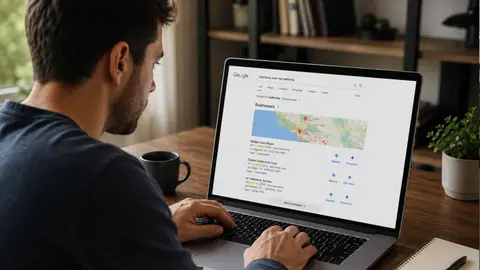
Now, let's jazz up your Google Business Profile. Think of this as your business's digital storefront. It's the first thing people see when they Google you, and it's a big deal for voice search, especially when someone's asking their phone for the best [insert your business type here] in town.

Here are some top tips to make your Google Business Profile as snazzy as possible:

  1. Keep Your NAP Updated: Yep, we're back to the NAP again. Make sure your name, address, and phone number are up-to-date. It's simple but super important.
  2. Tell Your Story: Use the business description section to tell people what makes your business special. Don't be shy; this is your chance to shine!
  3. Show, Don't Just Tell: Upload photos and videos that show off what you do. Whether it's your cozy café corner or your best-selling product, let people see what they're missing out on.
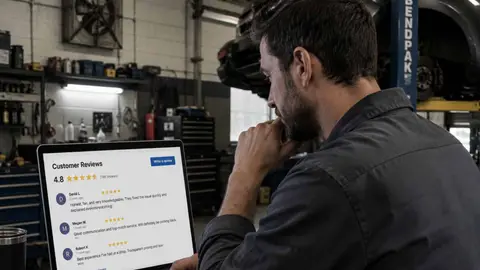
  4. Engage with Your Reviews: Got reviews? Great! Make sure you're responding to them, good or bad. It shows you value customer feedback and care about your service.
  5. Encourage Reviews: Don't be shy about asking your satisfied customers to leave a review. More positive reviews can improve your visibility and make your business more appealing in voice search results.

By giving your Google Business Profile some love, you're not just making it look good; you're making it work harder for you in the voice search game.

Fine-Tuning Your Website for Voice Search

Fine-Tuning Your Website for Voice Search

Now, let's chat about your website. You might be thinking, "What's my site got to do with voice search?" Quite a bit, actually! While there's no magic button to make your site voice-search-ready, a few tweaks can make a big difference. Here's the lowdown:

Answer People's Questions: Think about the common questions folks might have related to your business. Use your blog or an FAQ page to answer these with natural, everyday language. Imagine you're having a conversation with someone right in your shop.

Local Keywords are Key: Sprinkle in phrases like "best pizza in [Your City]" or "24-hour plumber near me." It's how real people talk and search, especially when using voice search.

Schema Markup: This is a bit techy, but it's like giving search engines a roadmap to your site. It helps them understand your content better, making it more likely to pop up in voice searches. 

By focusing on these areas, you're not just optimizing for voice search; you're making your site more user-friendly overall. It's a win-win!

Keeping Expectations in Check

Let's take a moment to talk about expectations. We all want to hit the jackpot with those high-traffic keywords, but the truth is, the competition is fierce. That's where the beauty of long-tail keywords comes in—those longer, more specific phrases that might not get a ton of searches but are way more likely to lead to actual business.

Here's the kicker: local searches are your secret weapon. When someone's looking for a service or product "near me," or in a specific location, your local business has a fighting chance to stand out. It's all about making sure you're the big fish in your local pond.

So, while it's great to aim for the stars, remember that voice search success often comes from nailing those niche, local queries where you can truly shine.

WordPress for Advanced Users

WordPress for Advanced Users

For those of you ready to take your online presence up a notch, let's talk about WordPress. It's like the Swiss Army knife of websites, offering unparalleled SEO flexibility and the ability to customize every nook and cranny of your site.

With WordPress, you're not just playing in the sandbox; you're crafting the sandbox itself. This means you can tweak your site to speak directly to voice search engines, making sure your local business isn't just found, but featured.

Frequently Asked Questions (FAQ) About Voice Search

What is voice search and how does it work?

Voice search allows users to perform internet searches by speaking aloud instead of typing. Devices with voice recognition technology, like smartphones and smart speakers, convert spoken words into text and then conduct the search, often prioritizing local and immediate results.

Why is voice search important for local businesses?

With the growing use of mobile devices and smart speakers, more people are using voice search to find local businesses and services. It's a fast, convenient way to search, especially when on the go, making it crucial for local businesses to optimize for voice search to increase visibility.

How can I optimize my business for voice search?

Start with ensuring your NAP (Name, Address, Phone number) information is consistent across all online platforms. Optimize your Google Business Profile with complete and accurate information, encourage customer reviews, and use natural language and local keywords on your website.

Does voice search SEO differ from traditional SEO?

While the fundamentals of SEO remain important for voice search, the key difference lies in the conversational nature of voice queries. Optimizing for voice search involves focusing on natural language, question-based queries, and local search terms.

How can I measure the success of my voice search optimization efforts?

Track metrics like increases in website traffic from local searches, higher engagement rates on your Google Business Profile, and an uptick in phone calls or inquiries from online sources. Tools like Google Analytics can help monitor these changes.

Are there any tools to help with voice search optimization?

Yes, tools like Moz Local can help manage your online listings for consistency. Google My Business offers insights into how customers find your business profile. Schema markup generators can also enhance your website's voice search readiness by providing clear information to search engines.

How often should I update my business information for voice search optimization?

Keep your business information up-to-date at all times. Any changes to your NAP, business hours, or services should be immediately reflected across all online platforms to ensure accuracy in voice search results.

Conclusion

So, what have we learned on this voice search optimization journey? First off, your NAP needs to be as consistent as a morning coffee routine. Then, there's your Google Business Profile—think of it as your digital shop window, so make sure it's looking sharp. And don't forget about on-site SEO; it's the bread and butter of your online presence.

Remember, optimizing for voice search isn't about pulling a rabbit out of a hat. It's about building on the rock-solid foundation of local SEO practices you've already laid down.

Now, it's your turn. Take a moment to audit your NAP consistency across the web. Spot any discrepancies? It might be time for a little tune-up.

And if the thought of diving into directories and updates has you breaking out in a sweat, don't worry—I've got you covered. How about we start with a free consultation to get the ball rolling? Or, if you're ready to jump straight in, I'm offering a special discount on my NAP setup service. Let's make sure your business is heard, loud and clear.

5 PPC Ad Strategies for a Local Auto Service & Repair Business to Maximize Calls and Leads

5 PPC Ad Strategies for a Local Auto Service & Repair Business to Maximize Calls and Leads

Imagine this: A local auto service and repair shop, nestled in the heart of a bustling city, struggled to attract new customers despite offering top-notch services. 

Their competitors, seemingly less qualified, were drawing in more clients. What made the difference? 

It was the power of well-crafted PPC (Pay-Per-Click) ads

One of their competitors had mastered the art of PPC, targeting local car owners with precision, showcasing special offers, and highlighting their unique services. 

The results? 

A significant increase in leads, calls, and, most importantly, a steady flow of customers driving into their service bays. 

This story isn't just a hypothetical scenario; it's a reality for businesses that harness the potential of PPC advertising, a game-changer in the digital marketing realm, especially for Automotive Service & Repair Businesses.

1. Mastering Keyword Targeting

Mastering Keyword Targeting

Just as a skilled mechanic knows the intricacies of a car, understanding the nuances of keyword targeting can drive your business to the top of search results, bringing customers straight to your garage door.

Geo-targeting: Localizing Your Reach

Geo-targeting is about tapping into local search trends. By including location-specific keywords like "Houston oil change" or "car repair near me," you're effectively placing your business on the local map. 

Local SEO tools like Moz Local or SEMrush can offer invaluable insights into location-based keyword performance.

Service-specific Keywords

Service-specific Keywords: Capturing High Intent Searches

Customers often search with a specific need in mind. For instance, "brake repair estimate" indicates a user ready for service, making these keywords a goldmine. 

According to a study by Ahrefs, specific service-related queries have a higher conversion rate due to their transactional nature. 

Incorporating these into your strategy ensures you're not just attracting traffic, but traffic that converts.

The Art of Negative Keywords

The Art of Negative Keywords: Filtering Out the Irrelevant

Not all traffic is good traffic. Negative keywords help you exclude searches like "used car parts" or "DIY car repair tutorials," which are irrelevant to your services. 

Google Ads offers a comprehensive way to implement these filters, ensuring your ad spend isn't wasted on unqualified leads.

Brand Keywords

Brand Keywords: Safeguarding Your Territory

Bidding on your own brand name might seem counterintuitive, but it's a strategic move. This tactic prevents competitors from capitalizing on your brand's reputation and helps you own your branded search space. 

Data from Google’s Economic Impact Report reveals that branded keywords have higher click-through rates as they leverage existing customer trust.

Long-tail Keywords: The Underutilized Secret Weapon

Long-tail keywords are the hidden gems of keyword targeting. 

Phrases like "affordable hybrid car maintenance in [city name]" may have lower search volumes, but they have higher conversion rates.

Neil Patel, a digital marketing expert, suggests that these keywords are less competitive yet highly effective in reaching a ready-to-convert audience.

Mastering keyword targeting is like fine-tuning a car's engine. It requires skill, understanding, and a bit of creativity.

By leveraging geo-targeting, focusing on service-specific keywords, wisely using negative keywords, protecting your brand space, and exploring the potential of long-tail keywords, you can steer your auto service business towards the fast lane of online visibility and customer acquisition.

2. Structuring Your PPC Campaign for Maximum Impact

Structuring Your PPC Campaign for Maximum Impact

Structuring your online ad campaigns with precision can be just as effective as organizing a top-notch garage. 

In the digital world of auto services, a well-structured campaign is your ace mechanic, ensuring each ad reaches the right customer at the right time.

The Power of Separate Campaigns

The Power of Separate Campaigns: Specialization is Key

Dividing your digital marketing efforts into separate campaigns based on service categories (like oil changes, brakes, engine repairs) is not just organization - it's strategic. 

Google's own best practices suggest that this approach can increase click-through rates by making ads more relevant to user searches. 

Additionally, if you have multiple locations, creating location-specific campaigns can significantly boost local engagement. Think of it as having a dedicated team for each service or location, just like in your garage.

Ad Groups

Ad Groups: The Heart of Your Campaigns

Within each campaign, ad groups act as the specialized teams. For example, in your "Oil Change" campaign, different ad groups could target "oil change prices" or "oil change coupons." 

This categorization ensures your ads are finely targeted.

A study by WordStream found that using highly relevant ad groups can improve your Quality Score, which can lower your cost per click and improve ad positioning.

Responsive Search Ads: The New Era of Flexibility

Responsive search ads are like the versatile mechanics who can adapt to any task. 

By inputting multiple headlines and descriptions, Google's AI automatically tests and learns which combinations perform best, as per Google’s recommendations. 

This dynamic approach, as reported by Search Engine Land, can increase conversions by 10% compared to traditional search ads.

Just as a well-organized garage runs smoothly and keeps customers coming back, a well-structured digital ad campaign can drive more traffic to your business and increase conversions. 

By dividing campaigns by service or location, creating focused ad groups, and embracing the adaptability of responsive search ads, you're not just advertising - you're creating a digital ecosystem tailored to your auto service business.

3. PPC Ad Copywriting Secrets for Auto Service Businesses

PPC Ad Copywriting Secrets for Auto Service Businesses

Your digital ads need to capture attention, convey value, and invite action - all within a few seconds. 

Let's dive into the art of crafting ad copy that not only gets noticed but also drives customers to your auto service business.

Focus on Benefits: More Than Just a Service

Your ad should do more than list your services; it should highlight the benefits that set you apart. 

Whether it's your lightning-fast service, comprehensive warranties, no-cost estimates, or your exceptionally friendly staff, your ad copy should answer the customer's question: "What's in it for me?"

Strong Calls to Action

Strong Calls to Action: The Engine of Your Ad

A compelling call to action (CTA) is the turbocharger of your ad copy. Phrases like "Get a free quote now," "Book your appointment today," or "Available 24/7 for emergencies" create urgency and guide the customer on what to do next.

Mobile-Friendly

Mobile-Friendly: The Fast Lane of Today’s Advertising

With over 60% of searches now done on mobile devices, as reported by Statista, your ad copy must be as effective on a small screen as it is on a desktop. 

This means being concise, clear, and straight to the point. Mobile users are on the go, so your message needs to be quick and easy to understand.

Local Extensions: Your Digital Storefront

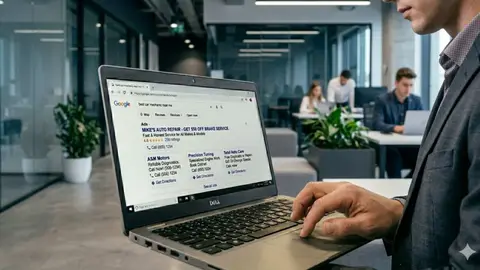
Local extensions like your address, phone number, and a link to a map are like a digital storefront for your business. 

Google has found that ads with location extensions have a higher click-through rate. 

These extensions provide essential information and make it easier for local customers to find and contact you.

Promotions and Offers: The Irresistible Hook

Everyone loves a good deal, and highlighting promotions or special offers can be the hook that draws customers in. 

Whether it’s a discount on services or a limited-time offer, these specials can create a sense of urgency and attract immediate attention. 

Data from RetailMeNot indicates that offers and discounts are major motivators in purchasing decisions.

Crafting the perfect ad copy is like tuning a car to peak performance. 

It's about blending the right elements - from showcasing benefits and using strong CTAs to being mobile-friendly, utilizing local extensions, and offering irresistible deals. 

With these techniques, you can turn your digital ads into powerful tools that not only catch the eye but also drive action.

4. Apply the Art of Landing Page Optimization

Apply the Art of Landing Page Optimization

Imagine a customer walking into your auto service shop, greeted by a clean, well-organized space, a friendly face, and a clear sign pointing them to the service they need. 

This immediate sense of direction and comfort significantly increases the chance they’ll choose your service. 

Now, translate this scenario to your online presence. 

Your landing page is your digital shopfront, and its optimization is crucial in turning visitors into customers. 

Let's explore how to turbocharge your landing page, ensuring it not only attracts visitors but also converts them into loyal clients.

Relevance is Key: Aligning Ad and Page

The journey from ad to landing page should be seamless. 

If your ad promises a "20% discount on first-time oil changes," your landing page must deliver on that promise immediately. 

Google’s research indicates that a strong message match between ad and landing page can increase conversions by up to 50%. 

This alignment keeps the user’s intent focused and avoids any confusion or disappointment.

Clarity in Value Proposition

Clarity in Value Proposition: Your Unique Selling Points

Your landing page should quickly and clearly communicate what sets you apart. 

Whether it's your state-of-the-art equipment, experienced mechanics, or unbeatable prices, these unique selling points need to be front and center. 

According to Unbounce, pages with a clear value proposition can see improvement in conversion rates by over 10%. 

Make sure your visitors know why they should choose you within seconds of arriving on your page.

Call to Action

Call to Action: The Conversion Catalyst

A strong, visible call to action (CTA) is the gateway to converting a visitor into a customer. 

Be it "Book Now," "Get a Free Quote," or "Contact Us Today," your CTA should be prominent and compelling. 

Eye-tracking studies by Nielsen Norman Group show that users focus on CTAs that stand out and are placed strategically.

Mobile-Responsive

Mobile-Responsive: Catering to the On-the-Go User

With over 54% of global web traffic coming from mobile devices, as reported by StatCounter, a mobile-responsive design is non-negotiable. 

Your landing page must provide a smooth experience across all devices. 

Google states that mobile-friendly websites can see an increase in user engagement by up to 20%.

r in the module Content settings. You can also style every aspect of this content in the module Design settings and even apply custom CSS to this text in the module Advanced settings.

Speed Thrills: Fast Loading for Instant Gratification

Speed is everything. A slow-loading page is like a customer waiting too long to be served – they will leave. 

According to Google’s "Speed Update," page loading time is a ranking factor for mobile searches. 

A delay of even one second can lead to a 20% drop in conversion, as per Akamai’s findings.

Optimizing your landing page is akin to fine-tuning a high-performance engine.

Every element, from relevancy and clarity to responsiveness and speed, plays a critical role in how effectively your page converts visitors into customers. 

By focusing on these key aspects, you can ensure your landing page is not just a welcoming entry point but a powerful conversion machine.

5. Master Conversion Tracking and Optimization

Master Conversion Tracking and Optimization

Picture this: your auto service shop is bustling with activity, but do you know exactly what's driving customers to your door? 

Is it the billboard on Main Street, your social media ads, or word-of-mouth? 

In the digital marketing world, this scenario translates to understanding the effectiveness of your online campaigns. 

Just like a mechanic uses diagnostic tools to fine-tune an engine, conversion tracking and optimization tools can help fine-tune your marketing efforts. 

Let’s delve into how these tools not only reveal what's working but also turbocharge your future campaigns for maximum efficiency and return.

Track Calls and Online Leads: The Diagnostic Tools of Marketing

Every call and online inquiry is a potential customer. 

Using call tracking numbers and conversion tracking tools gives you insights similar to a dashboard diagnostic test on a car. 

Salesforce reports that high-performing marketing teams are 1.3 times more likely to use comprehensive tracking tools. 

This data allows you to measure the impact of specific campaigns and channels, fine-tuning your marketing spend for the best ROI.

AB Testing

A/B Testing: The Dyno Test for Your Ads and Pages

Imagine testing two different engines on a dyno to see which performs better. 

A/B testing serves the same purpose for your ad copy, landing pages, and CTAs. 

By comparing different versions, you can determine which elements resonate most with your audience. 

Google found that A/B testing can improve conversion rates by up to 300%, making it an invaluable tool in your optimization toolbox.

Bid Adjustments

Bid Adjustments: Fine-Tuning for Peak Performance

In auto racing, the smallest adjustments can lead to significant performance improvements. Similarly, optimizing bids based on factors like location, device, time of day, and keyword performance can yield substantial gains. 

According to WordStream, making bid adjustments based on these factors can increase click-through rates and reduce costs per conversion.

Remarketing: Bringing Back Lost Customers

Remarketing is like a follow-up service reminder – it brings back customers who showed interest but didn’t convert. 

This tactic targets users who have previously interacted with your website or ads. 

Criteo’s studies show that website visitors who are retargeted are 70% more likely to convert, making remarketing a powerful tool in closing the conversion loop.

Just as a well-tuned engine is crucial for a car's performance, conversion tracking and optimization are essential for the success of your digital marketing campaigns. 

By leveraging these strategies, you can gain deep insights into your campaign’s effectiveness, refine your marketing tactics, and drive more qualified leads to your auto service business. 

Are you ready to shift gears and race towards higher conversions and better campaign performance?

PPC is an ongoing process. It requires constant monitoring, testing, and optimization to achieve maximum results. By implementing these strategies and adapting to your specific business needs and budget, you can attract high-quality leads and drive more calls to your local auto service and repair business.

Navigating the world of PPC advertising can be as intricate as diagnosing a car's complex engine. 

Just as you wouldn't trust your vehicle with just any mechanic, your PPC campaign deserves the expertise of a seasoned professional. 

If this exploration into the power of PPC for Auto Service and Repair Businesses has revved up your interest, it's time to take the next step. 

We invite you to speak with a PPC consultant, a specialist who can craft a tailored PPC campaign to boost your business's online visibility and drive maximum leads and calls. 

Don't let your business idle in the slow lane of traditional marketing. 

Accelerate into the fast lane with a strategic PPC approach. 

Contact us today to discuss how we can turbocharge your Auto Service business with the precision and efficiency of a well-tuned PPC campaign.

8 Google Ads Mistakes Killing Your Auto Shop’s Lead Generation (and How to Fix Them)

8 Google Ads Mistakes Killing Your Auto Shop’s Lead Generation (and How to Fix Them)

For many automotive repair shops, custom auto garages, and construction companies, Google Ads are a high-octane solution to amplify their lead generation. Yet reality often falls flat. Despite significant ad investment, the influx of booked appointments and eager inquiries they expected give way to an empty garage echoing with wasted budgets.

Mike was excited to launch his custom auto restoration shop “Gearhead Garage” online. He pictured a virtual showroom brimming with vintage Mustangs and muscle cars awaiting his magic touch. However, after months of promoted posts, his shop remained stuck in neutral. Mike learned that without a strategic approach, Google Ads delivers lackluster results.

Across industries, businesses overestimate the plug-and-play simplicity of effective Google Ads. Creating an account is easy, but fueling it to drive meaningful leads takes research, planning, and vigilance. Without these fundamentals, it’s akin to expecting to win the Indy 500 in a faulty jalopy with no pit crew support.

This article will navigate businesses around potholes of the most common Google Ads mistakes sabotaging lead gen. We’ll provide a strategic roadmap to avoid wasted ad spend and keep your shop booked. From neglected negative keywords to cluttered campaign structures, we’ll diagnose the problems and deliver an actionable tune-up.

Let’s open the hood and stop good budgets from funding bad results. Our checklist will have your digital marketing purring like a kitten, conveying qualified customers straight through your virtual garage doors. Put the pedal to the metal on lead generation with Google Ads done right!

Mistake 1: Using Overly Broad Match Types

Using Overly Broad Match Types

Many shops start their Google Ads journey focusing solely on broad match keywords, lured by its far-reaching promise—this approach over-indexes on volume at the cost of relevance. Without parameters in place, broad match pulls in peripheral searches that feature your keywords but don’t reflect genuine user intent.

For Mike’s “Gearhead Garage”, bidding on the broad term “engine repair” attracted clicks from those querying “best computer repair options” and “engine cleaning products”. These irrelevant searches drained the budget without providing qualified leads. It created unnecessary noise, hindering the signal of solid prospective customers.

The solution lies in adopting a mixed-match type approach aligned to your offerings and customer journey:

  • Leverage exact and phrase match for targeted service terminology. For construction, phrases like “kitchen renovation quotes” or “concrete staining pricing”.
  • Broad match has its place to test new keyword variations, but apply tight monitoring and negative keywords to filter irrelevant results.

Blending match types strikes the right chord between volume and precision. It serves your ads to customers ready to transact while minimizing spend on those just browsing unrelated spaces. Mastering match types is a crucial step in making Google Ads profitable.

Mistake 2: Ignoring Negative Keywords

Ignoring Negative Keywords

Equally as essential as the terms you bid on are terms you expressly exclude using negative keywords. This advanced matching option allows you to filter out searches irrelevant to your business.

For a high-end auto restoration shop, failing to add “scrap cars” and “junkyard” as negative keywords means wasting budget on those looking to ditch a beater rather than restore a classic. An outdoor kitchen installer skipping negatives like “small appliances” risks their ad appearing for unrelated household appliances rather than outdoor grills or mini-fridges.

Crafting a comprehensive negative keyword list is challenging but pays dividends by intercepting false matches. Guideposts in building yours include:

- Mine search query reports to identify anomalies

- Revisit what makes you unique vs competitors

- Consider what need or problem you solve for customers

- Brainstorm words indicating other solutions 

Regularly refine as language and search behavior evolves. The vigilance pays off. One contractor targeting “kitchen upgrades” trimmed related spend by 30% after adding negatives for appliance and furniture queries.

Protect your budget and only appear for customers you can serve. Negative keywords act like filters, sifting serious inquiries from irrelevant looky-loos.

Mistake 3: Weak Ad Copy

Weak Ad Copy

You’ve identified the right audience and terms to trigger your ad. Excellent! Yet many shops sabotage their efforts with lackluster ad copy. Generic, feature-focused messaging fails to ignite interest or communicate unique value.

Rather than Mike simply promoting “engine repair”, what if his ad transported readers into imagining the growling rumble of a rebuilt Hemi V8? How could a landscaper convey the serene tranquility of an expertly crafted water feature rather than “we install ponds”?

Compelling Google Ads parallel the emotional experience customers seek. They illustrate the before and after, bringing desires to life. 

Follow these creative writing principles:

- Spotlight the dream outcome, not just the service 

- Share the journey - what’s it like working with you?

- Reflect the audience’s motivation and personality

- Make benefits tangible - help them visualize success

- Close with a solid CTA answering “What’s next?”

Execute this well, and watch out for overpromising. Set proper expectations while showcasing aspirational outcomes from your work. Get creative, inject personality, but maintain credibility.

With digital real estate at a premium, ad copy makes or breaks whether you move the advertising needle. It’s your virtual curb appeal and first impression - so make it count!

Mistake 4: Misaligned Landing Pages

Misaligned Landing Pages

You’ve captured searchers’ interest with a magnetic ad. The next mistake awaits as they click...landing on a disjointed experience baffling rather than converting them. This disconnect shocks momentum and tanks conversion rates. 

Avoid sending all traffic to a generic homepage. Also, sidestep promoting one offer yet sending visitors to unrelated content. Both deter visitors from taking action. Architect differentiated landing pages for each ad campaign theme. 

For a kitchen remodeling ad, the destination should showcase project galleries, design inspiration, and a lead generation form - not just list your services. Every element should pick up where the ad left off.

Craft cohesion between the ad and landing page by:

- Mirroring headlines and messaging 

- Consistent branding and visuals

- Matching offers and calls-to-action

- Fulfilling the value promised

Misalignment stunts lead generation and harms your Quality Score and ad price. Don’t just track clicks. Monitor bounce rates and goal completions to quantify the landing page impact. Use A/B testing to discover what site visitors truly want next.

Get landing pages right, and your ads will convert curiosity into scheduled consultations. That drives ROI and business growth!

Mistake 5: One-Size-Fits-All Targeting

One-Size-Fits-All Targeting

Many companies either avoid audience targeting altogether or define targets too broadly without enough specificity. Both issues dilute the effectiveness of Google Ads by misaligning messaging with motive.

Rather than promote custom chrome delete services to all car owners nationwide, limit targeting to regions where you operate and tailor ads to recreational auto enthusiasts primed for cosmetic upgrades. 

Likewise, a contractor making ads for siding installation should geo-target homeowners over age 45 researching exterior remodel projects rather than blasting to all locals. Go narrow to get noticed by your niche.

Tactics to get targeting right:

Geo-targeting: Only appear in geographical areas you serve where leads convert at profitable spending levels

Demographics: Factor decision-maker age, income, and home type to qualify for interest

Intent-based: Show to those actively researching related topics like your services 

Contextual: Place ads on sites frequented by your audience when they’re receptive

Regularly reevaluate targeting as new tools emerge. 

For example, smart bidding leverages machine learning to optimize bidding automatically towards the highest-converting audiences. Start specific and expand cautiously. Proper targeting increases conversion rates.

The tighter your focus, the better the results. Laser-targeting elevates relevance, reducing wasted impressions so you attract premium customers within budget.

Mistake 6: Campaign Clutter

Campaign Clutter

Imagine walking into a packed garage with tools strewn about, pools of oil on the floor, and partially finished projects collecting dust. That visual encapsulates a disorganized Google Ads account. Haphazard structures lead customers to frustrating searches, yielding dead-ends.

Prevent this fate by architecting orderly campaign frameworks from the start: 

- Group keywords with tightly related themes into specific ad groups. Pools and ponds get one group for a landscaper, while patios and outdoor kitchens have another.

- Create granular, ultra-targeted ad variations tailored to each ad group topic vs generic one-size-fits-none ads.  

- Continually prune outdated keywords, attracting irrelevant clicks using monthly search query analysis.  

Ongoing discipline prevents a descent into chaos. Set calendar reminders to revisit campaign hierarchy, ad relevance, and keyword performance. Leverage tools like Search Term Reports to perfect negative keywords and identify new opportunities.

Think of your account structure like well-organized garage toolboxes, with everything precisely where it should be to enable productivity. Tidy targeting converts curiosity into sales. 

Mistake 7: No Conversion Tracking

No Conversion Tracking

Many shops simply launch ads and then let campaigns run unchecked, absent insights into what’s working. This wastes budgets funding dead-end efforts while missing golden opportunities left unseen without tracking.

Monitoring macro-level metrics like clicks or impressions alone fails to capture true impact. Pure vanity metrics say nothing of actual customers secured. You need visibility into micro-conversions per each click:

- Phone/email leads generated 

- Consultation requests

- Proposals quoted 

- Appointments booked

- Revenue per client

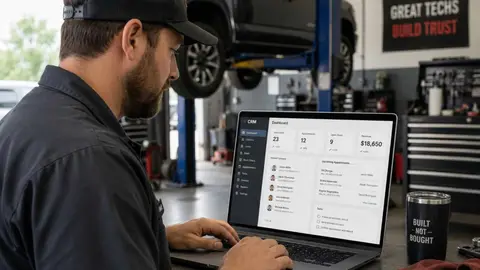
Layer this tracking via Google Ads conversions or Google Analytics goals. Connect your CRM data if possible. Now optimize efforts to increase conversion rate, not just traffic.

Seek to improve the customer journey continually from click to sale. Which ads prompt calls? What pages encourage form fills? This granularity is gold, informing where to double down and what underperforms.

Lacking conversion tracking is like driving eyes closed. You’ll crash your budget before reaching your destination. Track micro-goals to make every ad dollar count.

Mistake 8: No Remarketing Setup

No Remarketing Setup

Your website visitors provide another lost opportunity hidden in plain sight - remarketing. This advanced technique allows showing customized ads to past visitors, reminding them to return while their interest remains piqued.

Failing to capture site visitors for remarketing means overlooking a primed audience for re-engagement. Setup is quick through Google Ads audiences that can target based on:

- Past site activity

- Video views 

- Abandoned cart items

- Email subs and leads

Create tailored ads reminding visitors to complete a recent task like:

- Book their design consultation

- Review customized project plans 

- Access promised educational content

The beauty of remarketing is the ultra-qualified audience. They’ve already vetted you by visiting, so they know what you offer. Give them that extra nudge to drive them back and convert.

Apply a value-based approach respecting visitor context rather than overly aggressive sales pitches. Do this well, and remarketing acts like an automated sales assistant, securing business you might have otherwise lost forever.

Accelerating Results by Avoiding Pitfalls

Accelerating Results by Avoiding Pitfalls

oogLike any complex machine, Google Ads requires both art and science across setup, management, and optimization to fire on all cylinders to deliver results. Master the fundamentals covered here; you’re well-positioned to leave budget burnout and poor performance behind.

Key trouble areas:

  • Match types must balance volume and precision
  • Negative keywords increase relevancy
  • Ad copy should spotlight outcomes over features
  • Landing pages warrant continuity from ads
  • Targeting works best when narrow and intentional
  • Organization impacts advertiser experience
  • Tracking micro-conversions ties spending to goals
  • Remarketing re-engages recent site visitors

Monitor these aspects, react promptly to data signals, and you’ll keep budgets flowing to high-converting efforts. Shortchange any one area, and profit leakage follows. Consider account structure, creative messaging, audience alignment, and robust analytics working harmoniously.

That’s the engine revving on all cylinders, primed to accelerate your operations. You’ve got the map - now get ready to leave disappointing Google Ads results in the rearview mirror. Floor it on profits with leads racing in!

Beware of Fake SEO Services & Scams: How to Protect Your Auto Shop Online

Beware of Fake SEO Services & Scams: How to Protect Your Auto Shop Online

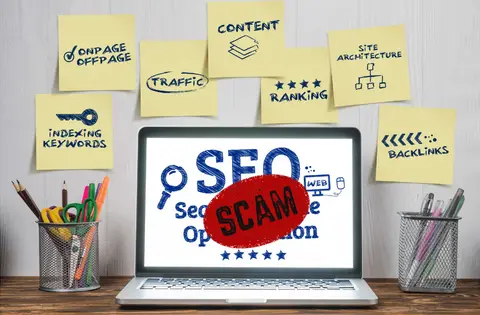
As a small business owner, it's essential to know how to spot the fake and counterfeit services being sold as SEO. In this post, we'll discuss some of the common scams and negative results that can happen. Plus, we'll cover what whitehat SEO is and why it's the only kind of SEO that will have lasting positive benefits for your business.

The Problem with Fake SEO Service and Scams

The Problem with Fake SEO Services and Scams

Unfortunately, the SEO industry is rife with scams and false promises. These scammers prey on small business owners who are trying to grow their businesses online. 

They promise quick and easy results, but in reality, they're just taking your money and running. Some of the negative results you might experience from falling for an SEO scam include:

  • Wasted time and money
  • Damage to your website's reputation
  • Decreased traffic and rankings
  • Possible penalties from search engines

What Does Real SEO Look Like

Now, let's talk about what whitehat SEO is and why it's the only kind of SEO that will have lasting positive benefits for your business. Whitehat SEO is the practice of optimizing your website and content for search engines using ethical and sustainable techniques. These techniques include things like:

  • Creating high-quality content that provides value to your audience
  • Building natural backlinks to your website from other reputable websites
  • Optimizing your website's technical structure and on-page elements
  • Following search engine guidelines and best practices

By using whitehat SEO techniques, you're investing in the long-term success of your business. You're not just looking for a quick fix or shortcut to the top of the search engine rankings. Instead, you're building a solid foundation that will help your website and content rank higher and attract more traffic over time.

Common Tactics of SEO Scammers

Common Tactics of SEO Scammers 

Let's talk about some common features of fake SEO services sold by scammers. If you're a small business owner looking to grow your online presence, it's crucial to know what to watch out for when it comes to SEO scams. Here are a few common features to be aware of:

They Arrive via Cold Emails 

One of the most common ways scammers reach out to potential victims is through cold emails. These emails often promise quick and easy results, with no real explanation of how they plan to achieve them. They might use flashy language and bold claims to catch your attention, but be wary of any unsolicited emails promising overnight success.

Detailed and Scary looking Reports 

Another common feature of fake SEO services is the use of detailed and scary-looking reports. These reports might use technical jargon and complex graphics to make it seem like they're doing a lot of work on your behalf. In reality, these reports are often just smoke and mirrors, designed to make it seem like the scammer is doing something useful.

Recurring Monthly Fees for Unnecessary Work 

Finally, be on the lookout for recurring monthly fees for unnecessary work. Scammers might try to convince you that you need to pay them every month to maintain your search engine rankings. However, in most cases, this is simply not true. Once your website is optimized using whitehat SEO techniques, you shouldn't need to pay for ongoing maintenance.

So, how can you protect yourself from these common features of SEO scams? Here are a few tips:

  • Be wary of unsolicited emails promising overnight success
  • Look for transparency in any reports or work being done on your behalf
  • Don't be afraid to ask questions and seek clarification on any fees or work being done
  • Work with reputable SEO agencies or consultants who use whitehat SEO techniques
Types of SEO Scams that You Should Be Aware Of

Types Of SEO Scams That You Should Be Aware Of 

As a small business owner, it's essential to know what to watch out for when it comes to SEO scams. Here are a few common types of scams to keep an eye out for:

Promises of Guaranteed Rankings

One of the most common types of SEO scams is the promise of guaranteed rankings. Scammers might tell you that they have a special relationship with Google or that they know the secret to getting your website to the top of the search engine rankings. However, the truth is that no one can guarantee rankings, and any promise to do so is likely a scam.

Fake Google Lighthouse Reports

Another common type of SEO scam is the use of fake Google Lighthouse reports. Scammers might create fake reports that show your website needs a lot of work to rank higher in search engine results. These reports might include technical jargon and complex graphics to make it seem like they know what they're doing. In reality, these reports are often just a scare tactic to get you to pay for unnecessary services.

Promises of Backlinks from Sites with High-DA

Scammers might also promise to get you backlinks from sites with high Domain Authority (DA). While backlinks from reputable sites can be valuable, it's important to remember that not all backlinks are created equal. Backlinks from low-quality sites or spammy directories can actually hurt your search engine rankings.

Free Content

Another common scam is the promise of free content. Scammers might offer to write blog posts or articles for your website for free, but in reality, this content is often low-quality and stuffed with irrelevant keywords. This type of content can actually hurt your search engine rankings, rather than helping them.

Calls from Fake Google Employees 

Scammers might also call you, claiming to be Google employees. They might tell you that your website is not optimized for search engines and that you need to pay for their services. However, Google employees will never call you directly, and any call claiming to be from Google is likely a scam.

Fake Traffic

Finally, scammers might promise to send traffic to your website. However, this traffic is often fake, generated by bots or low-quality sources. This type of traffic won't help your search engine rankings and can actually hurt them if it's detected by search engines.

how can you protect yourself from these types of SEO scams

So, how can you protect yourself from these types of SEO scams? Here are a few tips:

  • Be wary of any promises of guaranteed rankings or quick results
  • Look for transparency in any reports or work being done on your behalf
  • Don't be afraid to ask questions and seek clarification on any fees or work being done
  • Work with reputable SEO agencies or consultants who use whitehat SEO techniques
  • Don't fall for free or low-quality content offers
  • Never give out sensitive information or pay for services over the phone

By staying vigilant and being aware of these types of SEO scams, you can protect yourself and your small business from falling victim to these scammers. Remember, investing in whitehat SEO techniques is the best way to ensure lasting positive benefits for your online presence. Don't fall for the quick and easy promises of scammers - instead, invest in the long-term success of your business.

If you're a small business owner looking to grow your online presence, it's important to invest in whitehat SEO techniques that will have lasting positive benefits for your business. At Web Video Ad Space, we specialize in ethical and sustainable SEO practices that will help your website and content rank higher and attract more traffic over time.

Our team of experienced SEO professionals is dedicated to providing transparent and effective SEO services that will help you achieve your business goals. We believe in building long-term relationships with our clients and helping them achieve sustainable growth online.

So if you're ready to take your online presence to the next level, we invite you to learn more about our whitehat SEO services at Web Video Ad Space. We're here to help you navigate the complex world of SEO and achieve real results for your business. Contact us today to learn more!